Could your loved one safely and comfortably remain at home?
For many older adults, staying in the home they love is the most desirable option. For others, it is not the safest or most practical one. This page helps you think honestly about aging in place: home safety, accessibility, modifications, care, maintenance, and the resources that make staying possible.
Aging in place
Staying in their own home is a real option, and it is not automatic.
Staying in their own home is not automatically our recommendation, just as selling is not automatic either. The right question is not "can they stay forever?" but "can they stay safely and comfortably, for as long as that makes sense?" Aging in place means planning for the home, the body, and the support system together.
Vashon uses his CAPS (Certified Aging-in-Place Specialist) and SHSS (Senior Home Safety Specialist) training to help families look at the home through the eyes of someone who lives in it every day, spotting the risks and the simple fixes that most people never notice.
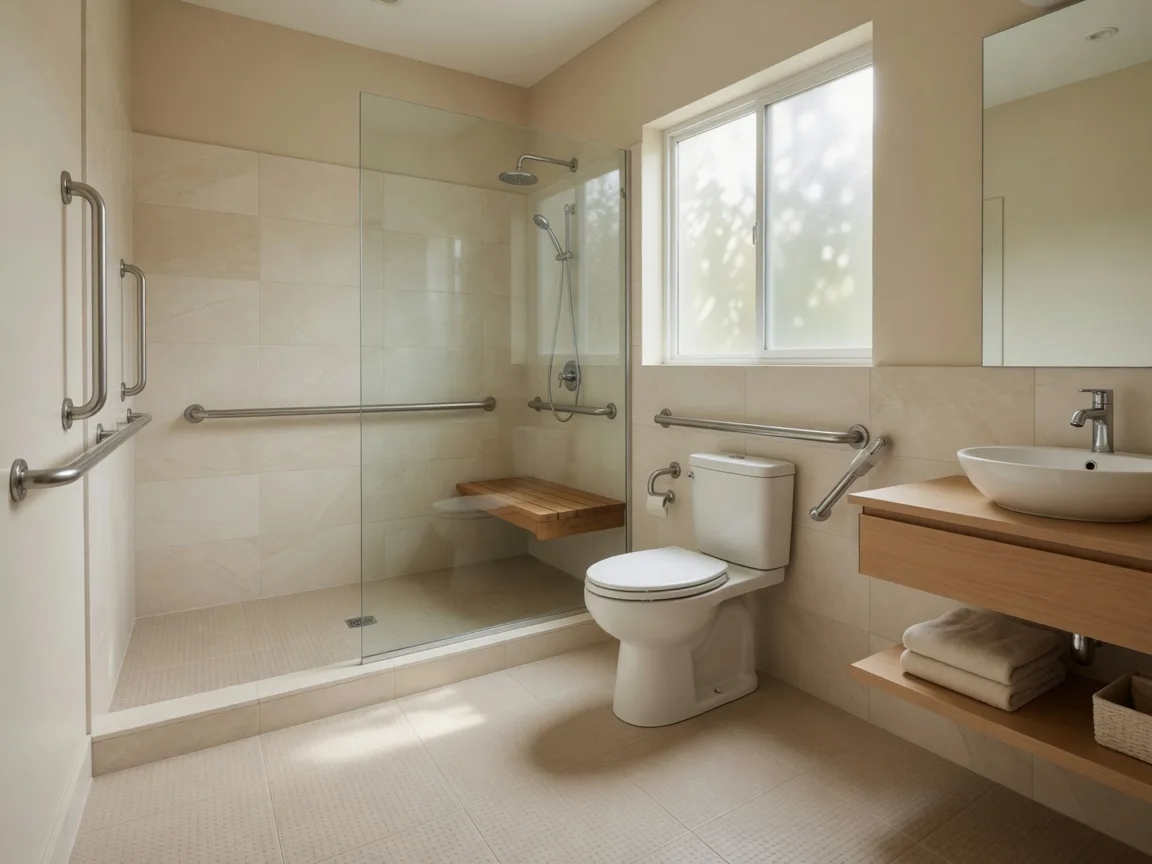
Most falls and everyday struggles in a home are not inevitable. They are often fixable with the right safety check and, when needed, the right modifications.
Walkways and floors
Clear paths, secure rugs, even transitions between rooms, and good lighting on every step and landing.
Bathrooms and stairs
Grab bars, non-slip surfaces, a raised toilet, and safe access to the places used most, especially at night.
Kitchen and everyday tasks
Reaching, carrying, and standing stamina for cooking, cleaning, and laundry, plus safe access to the things used daily.
Entrances and exits
Step-free or low-threshold entries, handrails, and a safe path from car to door in all seasons.
Alerts and safety systems
Smoke and carbon monoxide detectors, medication reminders, and a way to call for help if needed.
Comfort and support
A home that supports daily life: rest, social connection, and the ability to do the things that matter.
Get the free Aging-in-Place Home Safety Checklist
A practical room-by-room checklist to help your family see the home through fresh eyes and decide what, if anything, needs to change.
Request the checklist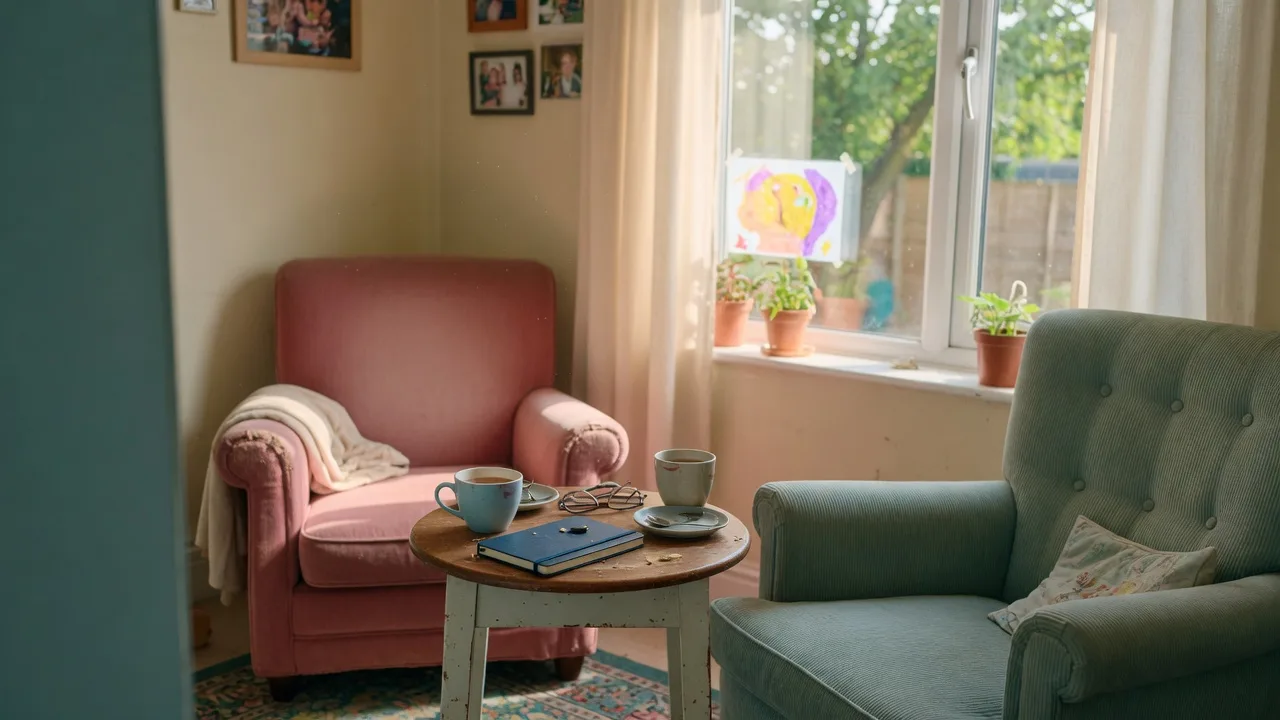
Modifications & support
Care, modifications, and the support to make staying work.
Staying in their own home often depends on two things that are easy to overlook: the physical home and the people supporting daily life. Vashon is a Maryland Licensed Home Improvement Contractor (MHIC #155639), so when modifications are the answer he helps your family understand what the work really involves, connect with trusted professionals, and guide the project from planning through construction.
- Home modifications: grab bars, walk-in showers, stair lifts, and step-free entries, planned with a certified specialist's eye.
- Care at home: when nursing or care support is part of staying in their own home, Liberty Advanced Nursing carries its own service details and RSA licensing on its website.
- Maintenance: a clear-eyed look at whether keeping up the property is realistic for your loved one and the family.
Staying can be the right answer
When the home can be made safe, support is in place, and the loved one wants to stay, aging in place can be a wonderful outcome.
Staying can be the wrong answer
When the home is unsafe, too hard to maintain, isolating, or beyond what care can reach, staying may put a loved one at risk. We say so plainly.
It is a decision, not a default
The family and the loved one decide. We help you weigh safety, comfort, cost, care, and quality of life together.
Not sure whether staying is the right call?
Start with the decision tool or talk it through in a free consultation. There is no obligation to stay, sell, move, or use any affiliated business.
Dedicated guides for the stay path: aging in place, home modifications, in-home care, and the community resources that make staying work.
Stay Guide 01
Aging in Place
A realistic look at whether staying in their own home is safe, comfortable, and sustainable, before anyone decides.
Read the guideStay Guide 02
Home Modifications
The practical changes that can make a longtime home safer and more comfortable, from simple fixes to larger renovations.
Read the guideStay Guide 03
In-Home Care
The kinds of care that can come into the home, what they cover, and how to think about matching care to needs.
Read the guideStay Guide 04
Community Resources
The local programs, services, and organizations that support older adults staying in their own homes across Maryland, Virginia, and DC.
Read the guideWant the printable versions?
The Resource Library holds every stay checklist and guide, free to request.
Browse the Resource LibraryThe emotional side of staying
Staying is a family decision, and it is emotional before it is practical.
When a parent wants to stay but the family worries, the tension is real. The parent can hear “you cannot manage” where the family means “we love you and we are scared.” And when a parent insists on staying past the point of safety, adult children carry a worry that never quite switches off.
We help families look at staying honestly, together, with the same facts and the loved one's wishes at the center, so the decision is made with love instead of in spite of it.
Explore the emotional side